Booking high-profile talent for your corporate event is a thrilling idea—but it can quickly spiral into a maze of missed deadlines and unexpected costs. Many planners underestimate the hurdles that come with talent holds, contract negotiation, and production advances. This guide breaks down what you need to know to book celebrity for corporate event success and how The Bazel Group removes the guesswork, so your entertainment shines without the stress.
Essential Steps for Booking Talent
Booking high-profile talent can seem overwhelming, but understanding the basics sets you on the right path. Let’s explore how to make the most of your entertainment booking process.
Understanding Talent Availability and Routing
Knowing when your desired artist is available is crucial. Talent often follows geographic routes, impacting when they can perform for you. Start by checking tour schedules, which can save time and narrow down options. If your event aligns with a tour stop, costs might decrease since travel and accommodation are often shared. Always confirm with their management team to avoid surprises. Timing is important; reaching out too early or late can affect availability and price. Use insights from other planners or industry contacts to stay informed. You can also explore tips from industry experts for more guidance.
Navigating Talent Holds and Offers
Securing a hold on a talent’s schedule can be competitive. Holds are essentially placeholders for a date, giving you time to finalize details. It’s a race, as others might also have holds. Convert your hold into an offer quickly to maintain interest and priority. An offer solidifies your intent and opens contract talks. Be ready to state your event’s specifics and desired outcomes. This step can be tricky, but persistence and clear communication help. For more details on this process, explore the booking process from industry leaders.
Crafting a Solid Contract Negotiation
Contracts are the backbone of your agreement. They outline expectations, responsibilities, and compensation. Review each clause carefully and ensure mutual understanding. This is where you lock in terms like performance duration, technical needs, and payment schedules. A contract protects both parties, reducing the risk of miscommunication. Seek legal advice if needed, as the fine print can be complex. Remember, a well-crafted contract leads to a smoother event day.
Managing Talent Rider Requirements
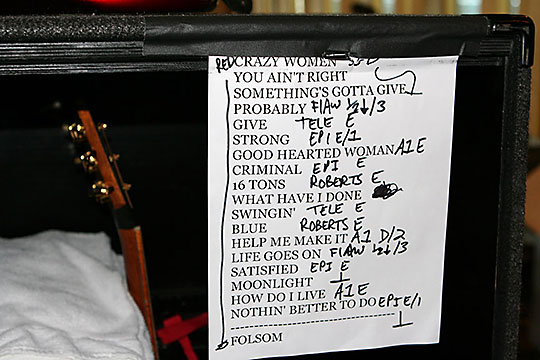
After securing talent, it’s time to focus on their specific needs. Riders detail what an artist requires to perform their best, from equipment to comfort.
The Importance of Entertainment Rider Details
Riders can be extensive. They cover everything from technical specifications to hospitality preferences. Addressing these ensures the artist has what they need, contributing to a successful event. Ignoring details can lead to last-minute chaos. Communicate with your venue early to confirm they can meet these needs. A rider isn’t just about luxury; it’s about enabling a top performance. Check out these rider management tips for more insights.
Production Advance and Backline Essentials
A successful event requires seamless production. This includes backline, which refers to the musical equipment an artist needs. Proper coordination ensures everything is set up correctly. Work closely with your production team and the artist’s crew to confirm these details. The earlier you finalize, the more time you have to troubleshoot potential issues, ensuring everything runs smoothly on the day of the event.
Ensuring Travel and Hospitality Perfection
Travel and hospitality are key to making talent feel welcomed and valued. Arranging smooth travel plans and comfortable accommodations is critical. It shows professionalism and respect, enhancing the artist’s experience and potentially leading to future collaborations. Clear communication with your travel and hospitality partners ensures everything is set for a seamless experience.
Mitigating Risks and Ensuring Success

Managing risks is a crucial part of the planning process. Ensuring compliance and aligning the event with your brand are necessary for success.
Balancing Brand Fit and Compliance Issues
Aligning talent with your brand’s values is essential. The right fit enhances your event’s message and guest experience. Consider your audience and event goals when choosing talent. Compliance with legal and ethical standards is also crucial. Misalignments can harm your brand’s reputation. Regularly review guidelines to stay informed and avoid potential pitfalls.
The Role of Insurance and Indemnification
Insurance is a safety net. It protects against unforeseen events like cancellations or accidents. Indemnification clauses in contracts shield you from liabilities. Understanding these terms can save headaches and financial loss. Consult with insurance professionals to ensure comprehensive coverage, giving you peace of mind.
Choosing Between Buyout vs Private Event
Deciding between a buyout or a private event can impact your budget and audience experience. A buyout involves purchasing all tickets, offering exclusive access to your guests. It’s ideal for client appreciation or private celebrations. A private event, however, allows more control over the environment and content. Weigh the pros and cons based on your event’s objectives and resources.
Frequently Asked Questions
What is an entertainment rider?
An entertainment rider is a set of requests or requirements an artist needs for a performance. It includes technical, hospitality, and travel needs to ensure a successful show.
How do I hold a date for a celebrity event?
To hold a date, contact the talent’s management team and express your interest. A hold places your event on their schedule tentatively, allowing time to finalize details before making a formal offer.
What should I include in an event contract?
An event contract should include performance details, payment terms, technical requirements, and cancellation policies. It’s essential to review all terms carefully to protect both parties involved.
Why is insurance important for corporate events?
Insurance protects against unexpected events, such as cancellations or accidents, ensuring financial protection. It also covers liabilities, safeguarding your event and organization.
What are the benefits of a buyout for an event?
A buyout offers exclusive access for your guests, enhancing the event’s prestige. It provides full control over the environment and experience, ideal for private celebrations or high-profile client events.